
As hockey academies continue to reshape player development across Canada, Canadian International Hockey Academy (CIH) is positioning itself as a gateway for athletes seeking both competitive exposure and international opportunity.
CIH, which operates out of Ontario, has built its model around flexibility and recruitment-focused development, catering to players aiming for junior, collegiate and overseas pathways. Joey Clare, the academy’s head of recruitment, says the program is designed to meet the evolving demands of the modern hockey player.
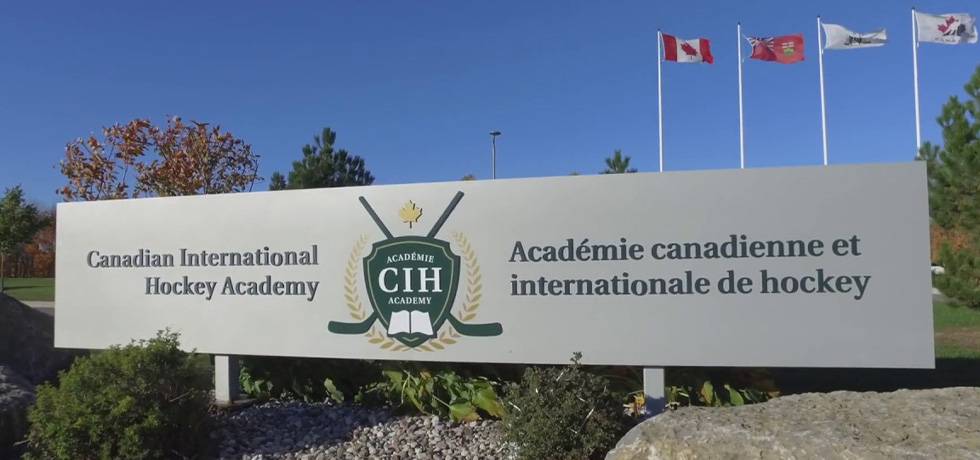
“The game has changed, and so have the routes players take,” Clare said. “Our job is to understand each athlete’s goals and help place them in an environment where they can realistically succeed.”
Unlike traditional minor hockey structures, CIH places heavy emphasis on recruitment strategy. Players compete in showcase-driven schedules designed to maximize visibility in front of scouts from junior leagues, NCAA programs and international teams.
Clare said exposure is one of the biggest reasons families turn to academies.
“Families want clarity,” he said. “They want to know where their child fits, what levels are realistic, and how to get there. That’s where a focused recruitment approach matters.”
CIH teams participate in tournaments and showcases across North America, creating opportunities for players to be evaluated by decision-makers at multiple levels.
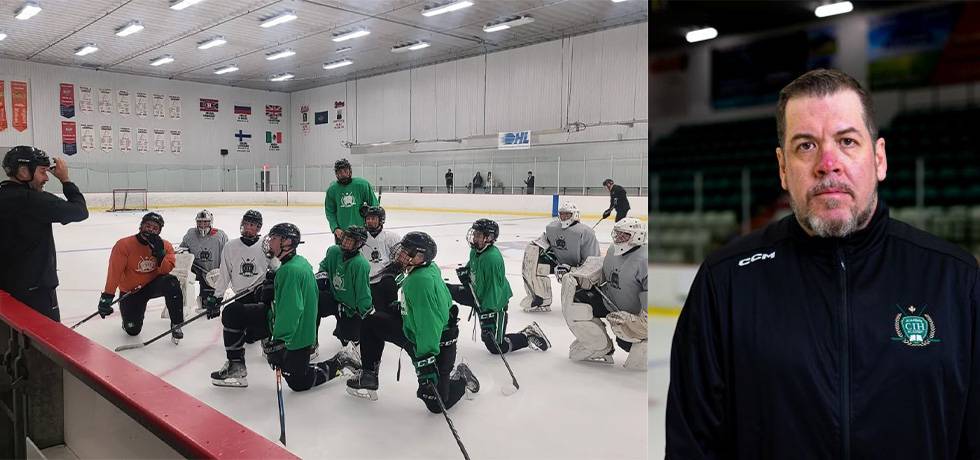
CIH’s approach centres on tailoring development plans to individual players rather than forcing athletes into a single pathway. Clare said not every player progresses at the same pace and the academy model allows coaches to adapt accordingly.
“There’s no one-size-fits-all timeline in hockey,” he said. “Some players bloom early, others later. Our job is to make sure development isn’t rushed or overlooked.”
Players follow structured training schedules that include on-ice skill development, off-ice conditioning and video analysis. Coaches work closely with athletes to identify strengths, address weaknesses and prepare them for the expectations of higher-level hockey.
Like many prep-style programs, CIH works with academic partners to ensure players remain on track in the classroom while pursuing elite hockey opportunities. Clare said maintaining that balance is essential, particularly as competition intensifies.
“Hockey careers are unpredictable,” he said. “Education gives players options, and we stress that from day one.”
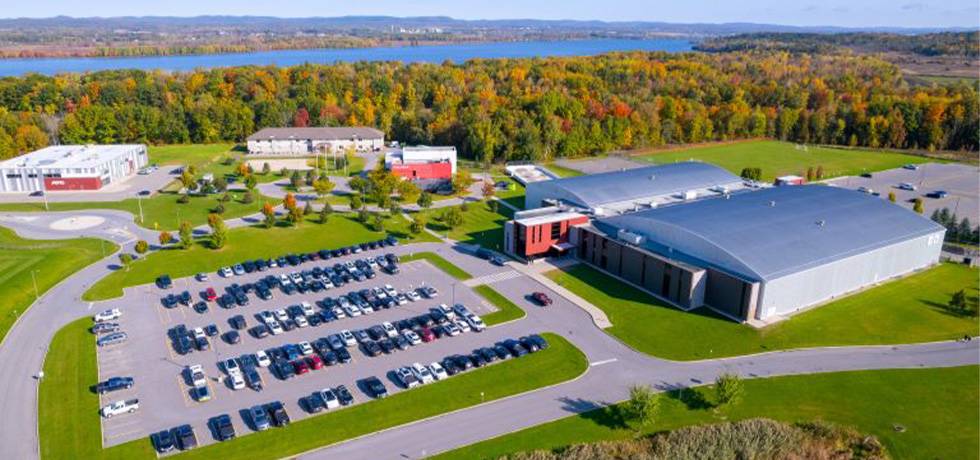
The academy attracts both Canadian and international athletes, creating a diverse environment that exposes players to different styles of play and cultural perspectives.
The growth of hockey academies has sparked debate across the sport, with questions surrounding accessibility, cost and competitive balance. Clare acknowledges those concerns but believes academies fill a gap for players seeking consistent coaching and exposure.
“Traditional minor hockey works well for a lot of kids,” he said. “But for players who want a more structured, development-heavy environment, academies provide another option.”
Clare added that transparency with families is critical.
“We’re honest about where players stand,” he said. “We don’t sell false promises. We focus on development, exposure and realistic outcomes.”
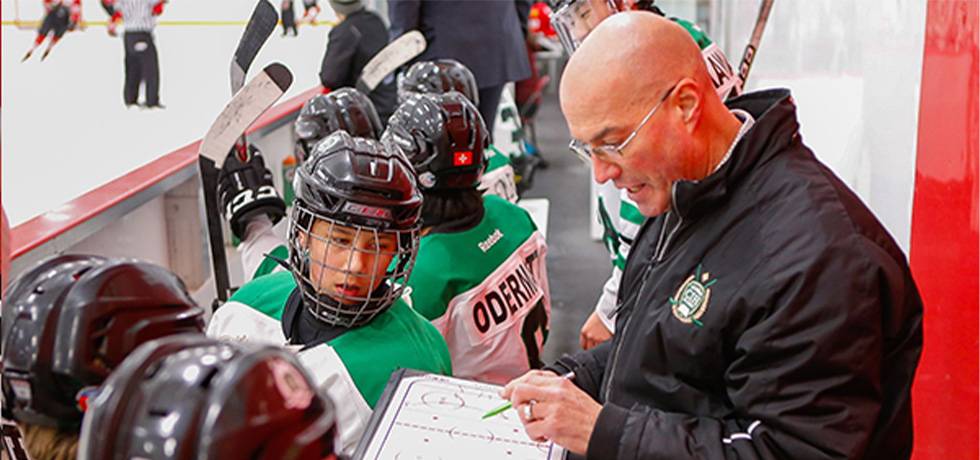
CIH alumni have moved on to junior leagues, collegiate programs and international opportunities. Clare said success is measured not only by where players land, but by how prepared they are when they get there.
“If a player leaves us understanding what’s expected at the next level physically, mentally and professionally then we’ve done our job,” he said.
The academy also places emphasis on life skills such as accountability, time management and professionalism, traits Clare says are essential for long-term success in hockey.
As the academy landscape continues to evolve, CIH plans to expand its recruitment network and refine its development strategies. Clare said staying adaptable is key in a sport that is constantly changing.
“The pathways will keep shifting,” he said. “Our goal is to stay ahead of that and keep putting players in the best position possible.”
With demand for prep-style hockey showing no signs of slowing, CIH sees its role as helping players navigate an increasingly complex development system.
“There are more opportunities than ever,” Clare said. “The challenge is knowing which ones make sense and that’s where we come in.”
Hockey & Education
Hockey academies continue to be one of the hottest trend in the sport — for good reason.
THE NEW PATH: Part 1 The NCAA announces that CHL players would now be eligible for NCAA hockey scholarships.
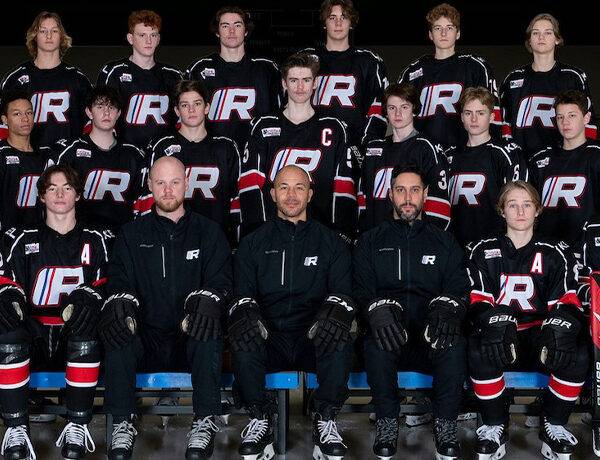
Academies like RINK Kelowna are proving to be pipelines to a chance at the next level and Jarome Iginla is there to help.
THE NEW PATH: Part3 looks at how the changes to the eligibility rules in the NCAA and CHL are affecting other leagues.
Hockey academies offer a huge benefit is in the area of skill development for young hockey players trying to reach the next level.
Canadian International Hockey Academy (CIH) is a gateway for hockey players seeking both competitive exposure and international opportunity.
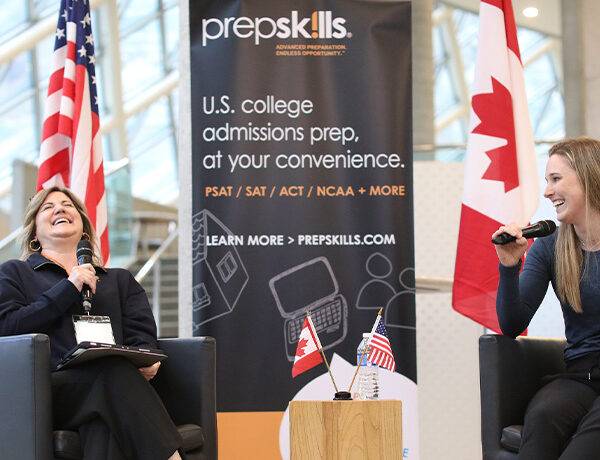
Prepskills will be holding its annual U.S. College Expo to help explain educational requirements for hockey players attending U.S. colleges.

Team Canada member and three-time Olympian Gillian Apps shares her reasons for choosing to attend university in the United States.
THE NEW PATH: Part2 Is the eligibility rule change a good thing for the CHL itself? The answer to that question is both yes and no.
Schoolwork and classroom time around hockey can often be a tenuous balance but education at hockey academies offers structure and support.
Hockey academies continuing to open paths to college scholarships and spots on major junior hockey rosters.
Elite Level Hockey looks at some of the top hockey academies in Ontario including some fabled hockey institutions.

Balancing textbooks and slapshots isn’t easy, but for many young hockey players, it’s part of everyday life.
Elite Level Hockey previews some of the top hockey academies across Canada as the private school option continues to grow.
Ridley College emphasizes long-term development, academic strength and a culture-driven environment that mirrors elite junior hockey.
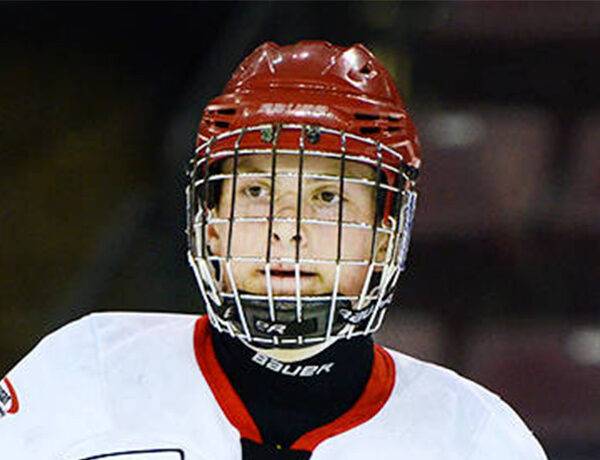
Michael Rasmussen of the Detroit Red Wings looks back at his time at the Okanagan Hockey Academy and it helped his hockey career.