The world of minor hockey is built by more than players and coaches. Behind many hockey brands are passionate entrepreneurs working tirelessly to grow the game at the grassroots level. In this new series, we spotlight the business owners, innovators and hockey minds helping shape the sport off the ice.
For most hockey parents, the scoresheet is the easiest way to measure their child’s performance. Goals, assists and penalty minutes are recorded, added up and used to tell the story of a season.
But for Quebec City father Jonathan Beaupré, the scoresheet wasn’t telling the whole story.
His son plays hockey. He’s an energy player, the kind of player whose contributions aren’t always reflected in traditional stats. He wins faceoffs, kills penalties and contributes defensively, but those efforts aren’t always recognized.
And when his son finished a game without appearing on the scoresheet, Beaupré noticed something.
“He thought he did nothing in the game,” Beaupré explained.
As a father, Beaupré could see the contributions his son was making. What he couldn’t do was provide the statistical evidence to back them up.
He wanted to show his son how many faceoffs he had won, how much time he had spent killing penalties and the other ways he had helped his team such as hits, takes aways and how many times he won puck battles..
“Because not everybody plays the same style of hockey,” he said.
That frustration eventually led Beaupré to develop RinkLog, a player-focused statistics tracking application designed to capture the parts of hockey that traditional scoresheets often overlook.
And while Beaupré had experience building websites and software, developing a hockey application was never part of his professional career plan.
A Paramedic With a Passion for Technology
Beaupré’s full-time job is as a paramedic in Quebec City.
Software development has been something he pursued on the side, building websites and applications out of personal interest rather than as a career in the technology industry.
“I’m a paramedic,” he explained during an interview with Elite Level Hockey. “I’m not in the in this industry.”
The idea for RinkLog emerged from his experiences as a hockey parent.
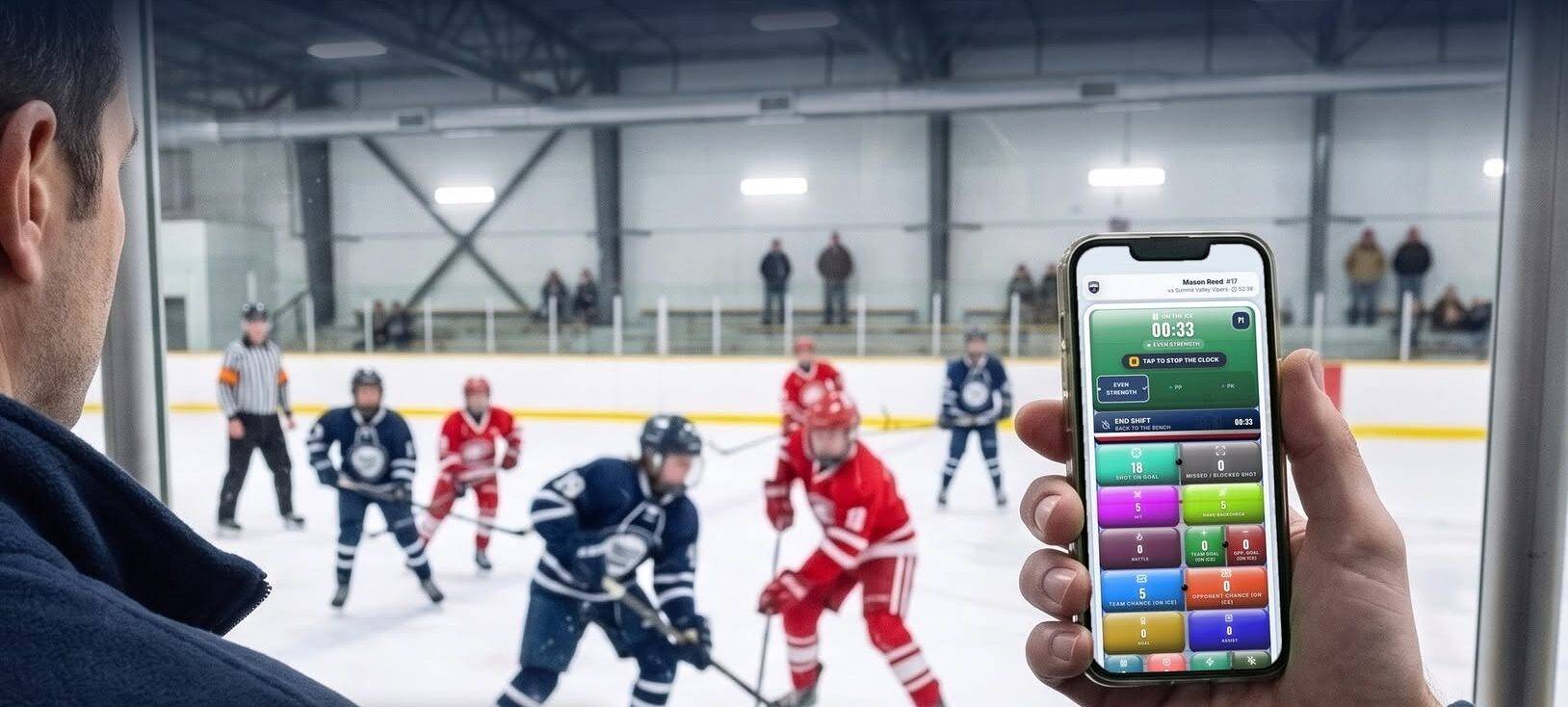
Like many parents, Beaupré noticed people recording game information in the notes application on their phones or scribbling statistics during games. The problem was that the information was rarely organized or preserved.
After a few games, the notes were forgotten, lost or difficult to compare.
“That’s why I built something very quick with one tap, and you follow the match, and you don’t lose anything,” he said.
Initially, the application was intended simply to help him follow his son’s games.
But Beaupré’s ambitions for the software grew as he considered what those statistics could mean for a player’s development and confidence.
Looking Beyond Goals and Assists
Part of Beaupré’s thinking came from his son’s experience playing American football.
In football, he observed, players can be recognized statistically for a variety of contributions, whether they play offence or defence.
A receiver might make an important block without touching the ball. A defensive player might contribute significantly without scoring.
Hockey, Beaupré felt, wasn’t always as effective at recognizing those different contributions.
He wanted RinkLog to reflect the many roles players fill on a team.
For a centre, that might mean tracking faceoff wins and losses, including where they occur on the ice and whether the player is taking the draw on their strong or weak side.
For a defenceman, it could mean recording blocked shots, takeaways or other defensive contributions.
Goaltenders could track saves, rebounds and the areas of the net where goals are being scored.
Rather than forcing every player into the same statistical categories, Beaupré designed the application’s tracking interface to be customizable.
Users can select the statistics they want to record, arrange buttons on the screen and adjust their size to make them easier to use during games.
The result is a system intended to follow the individual player’s role rather than simply reproduce a team scoresheet.

Building Confidence, Not Creating Pressure
Beaupré is particularly conscious of the pressure young hockey players already face.
He doesn’t want RinkLog to become another tool for parents to compare their children with teammates or opponents.
Instead, his goal is to help players understand their strengths and recognize improvement over time.
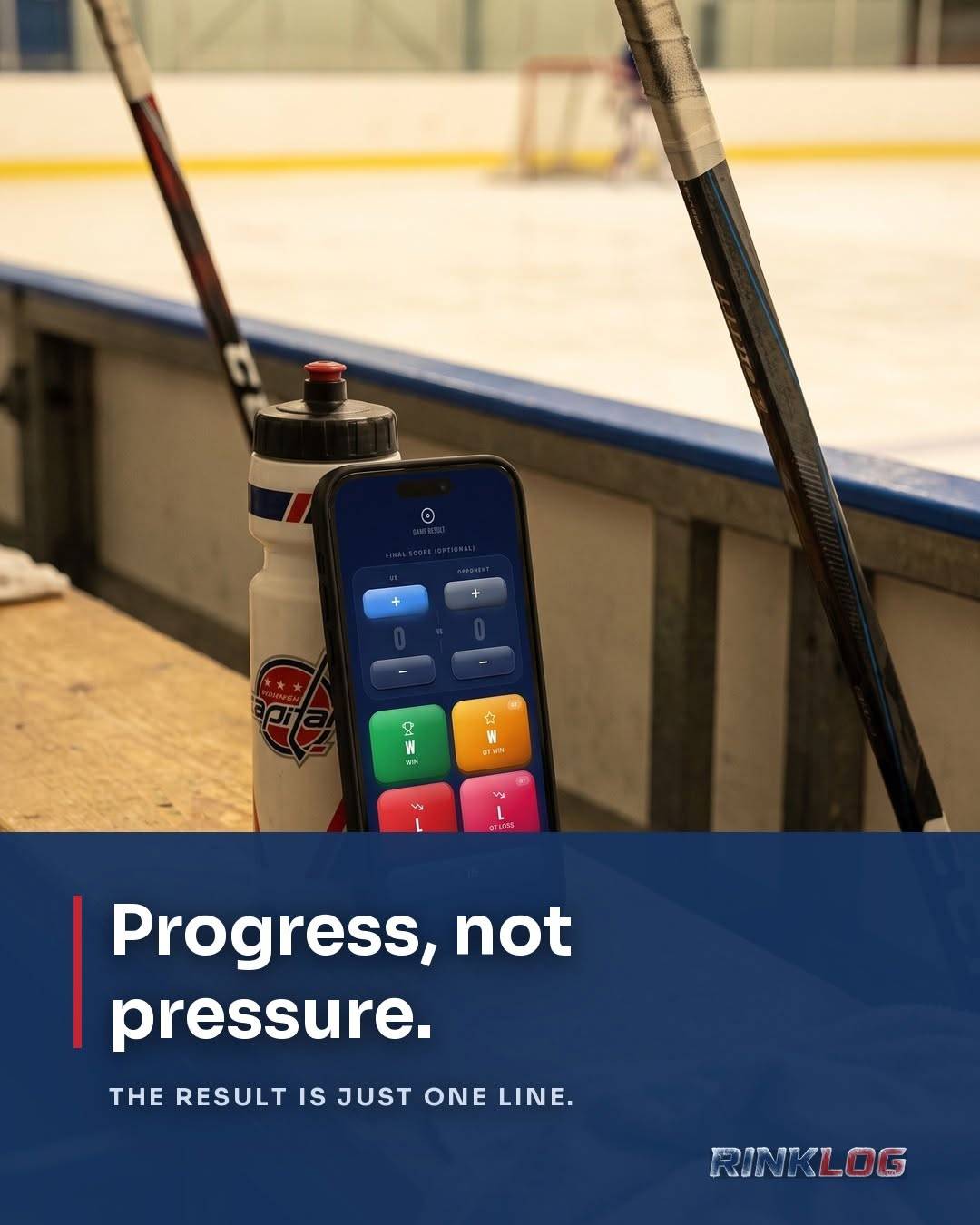
“I don’t want to add another pressure on the player,” he said. “I want o provide something that can boost confidence because every player on every side of this game does something well.”
His philosophy is straightforward: Players should be able to measure their own development, regardless of whether their contributions show up in the scoring summary.
“It’s not to compare your kid with others, it’s really compare with themselves,” Beaupré said.
For his son, that means being able to look beyond a game without points and see the faceoffs won, defensive responsibilities handled and other contributions that might otherwise go unrecognized.
It also means using the information to identify areas for improvement.
Tracking faceoffs over multiple games, for example, could reveal that a player struggles in particular situations or on one side of the ice.
Those trends could then help guide practice and development.
From a Personal Project to a Growing Business
Beaupré didn’t begin developing RinkLog with a detailed analysis of competing products.
He built it because he wanted something for his own family.
“I did it for me at first, for my son,” he said.
During the summer, conversations with other hockey parents convinced him that the idea had wider appeal.
Parents began asking whether they could try the application, which has since expanded beyond hockey to include ball hockey and ringette.
Beaupré said interest from ringette families during beta testing helped encourage that expansion.
The software has also continued to evolve through user feedback.
Looking Toward the Future
One of RinkLog’s more ambitious features involves using artificial intelligence to interpret the statistics collected throughout a season.
Beaupré described a system capable of producing monthly player reports that highlight strengths, identify trends and compare performances with previous months.
“It’s like having a scout following you,” he said.
The intention is to provide positive, personalized feedback that develops alongside the player’s statistical history.
Beaupré is also looking beyond individual subscriptions as a way to introduce the application to more hockey families.
RinkLog has begun participating in tournaments through a player-of-the-game program that awards selected players a complimentary one-year subscription.
He also expressed interest in partnerships that could connect player statistics with relevant hockey development information.
For now, RinkLog remains closely connected to the experience that inspired it: a father trying to help his son appreciate what he contributes to a hockey team.
What began as a way to preserve a few statistics has developed into an application built around a broader idea: A player’s value isn’t always measured in goals and assists.
And sometimes, recognizing that value is as important as recording it.